
A Temporary Architecture
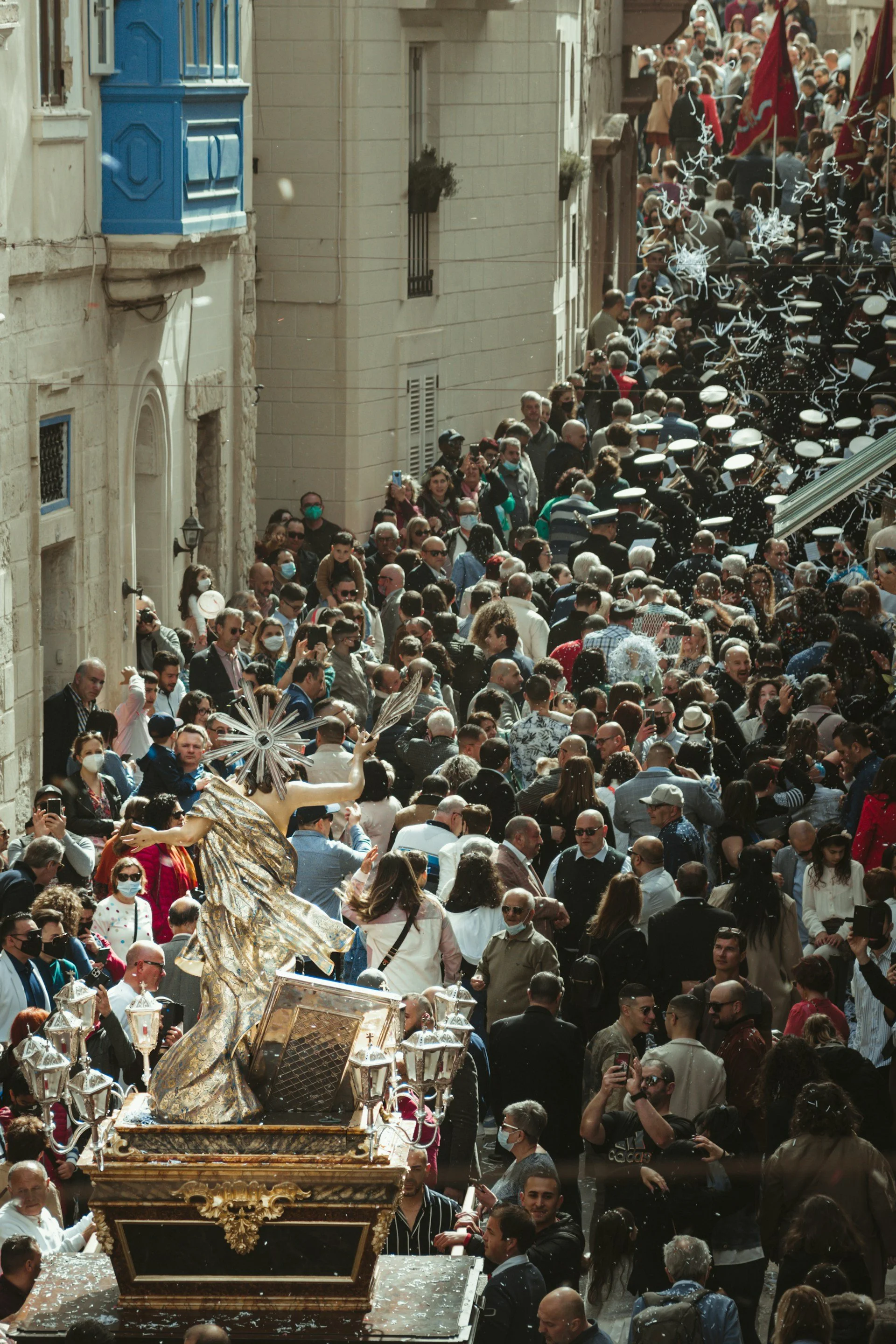
Photo by Artem Lobastov
Across Malta, Easter introduces a condition in which the city is briefly reconfigured.
What is typically understood as fixed becomes directional. Streets are no longer neutral connectors but defined routes. Thresholds are reinforced, edges are occupied, and the public realm shifts from circulation to procession. The city is experienced not as a static composition, but as a sequence.
This transformation is not physical in the conventional sense. The built fabric remains unchanged. Yet the perception of space is recalibrated through movement, rhythm and pause. Processions establish a spatial hierarchy, where alignment, timing and orientation become the primary tools of composition.
Architecture, in this context, does not assert itself as object, but operates as framework. Buildings frame, rather than dominate. Facades become backdrops to movement, while balconies and openings act as points of engagement. The relationship between observer and participant becomes fluid, and space is defined as much by occupation as by form.
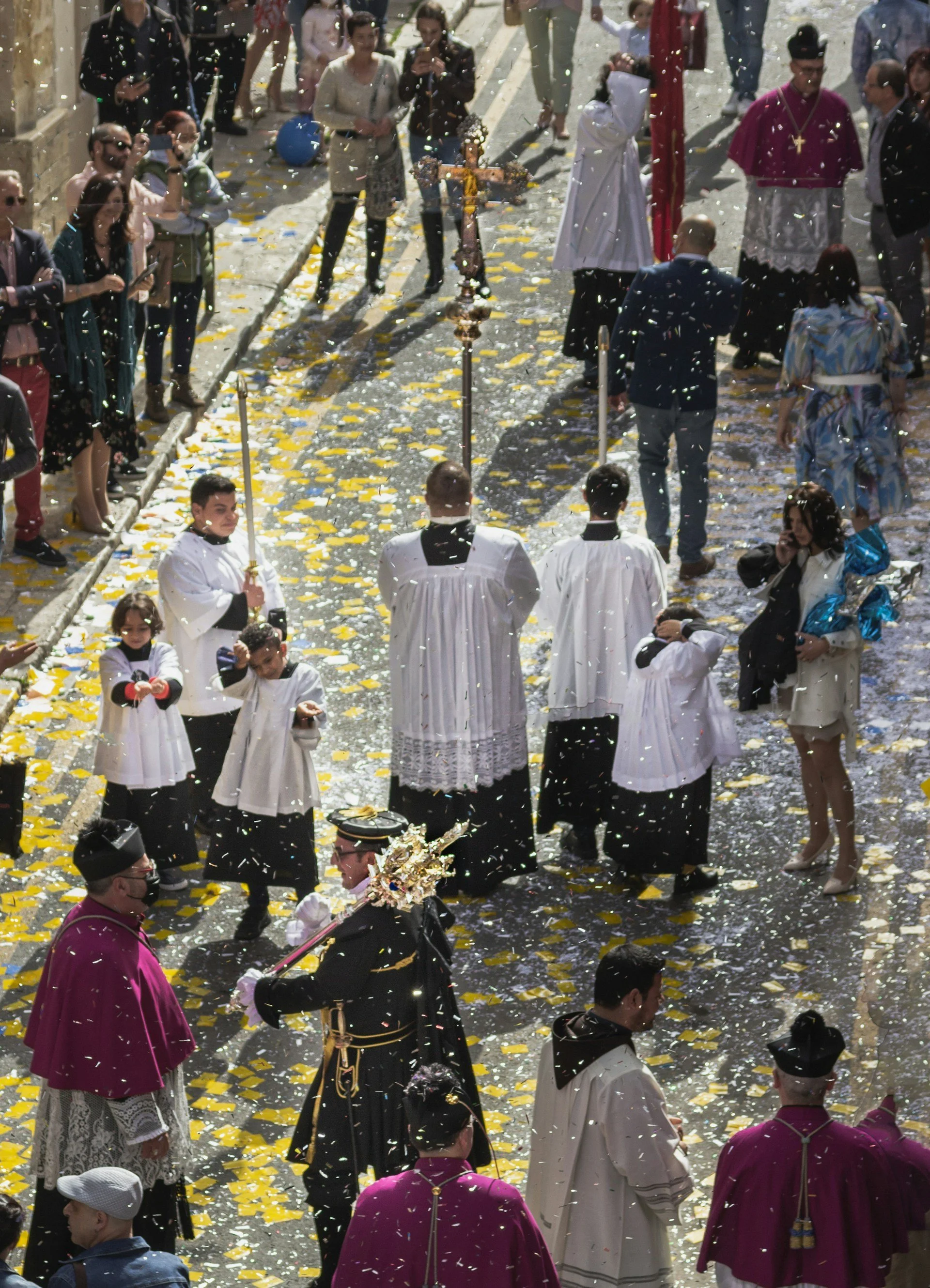
Photo by Artem Lobastov
A distinct layering of atmosphere emerges. Light, sound and crafted elements are introduced with precision, forming a temporary spatial language that sits alongside the permanent one. These interventions are transient, yet they demonstrate how controlled additions can alter perception without altering structure.
This distinction between permanence and activation is instructive. Architecture is often understood through what endures, yet spatial quality is equally defined by how space is read, sequenced and inhabited over time.
For interior architecture, this is not abstract. Sequence, compression and release, threshold and transition are deliberate tools that shape experience. What is revealed, when it is revealed, and how one moves through a space often carries more weight than the geometry itself.
At Keiro, this reading of space informs how we approach both architecture and interior design across Malta. Projects are developed through considered sequencing, calibrated thresholds and a disciplined use of material, ensuring that spatial clarity is not only constructed, but experienced.
Easter makes this explicit. It does not alter the architecture of the city. It reveals its latent order, and the extent to which space is defined not only by form, but by how it is activated.
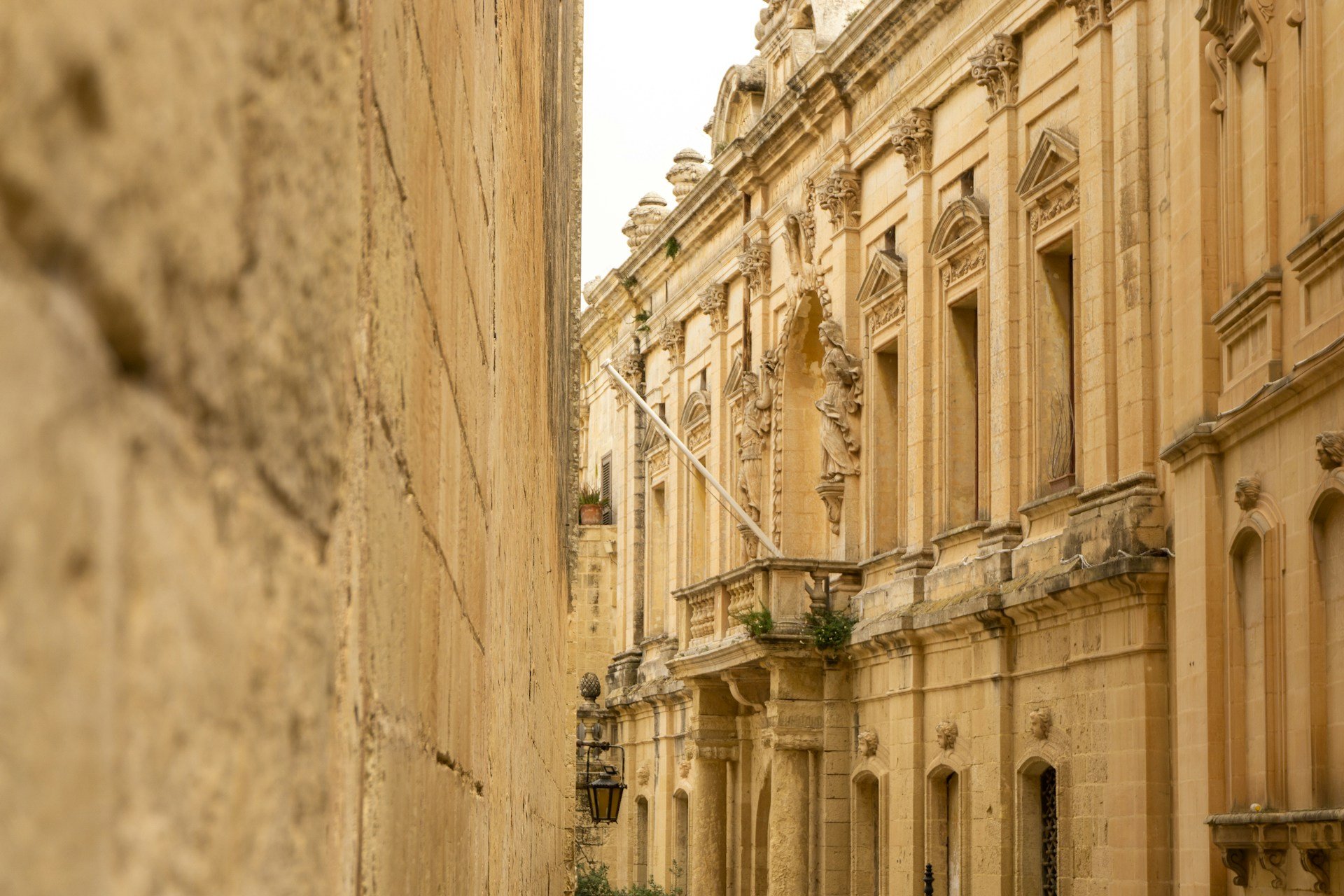
Photo by Eva Darron