
Should You Follow Design Trends When Investing in Your Property?
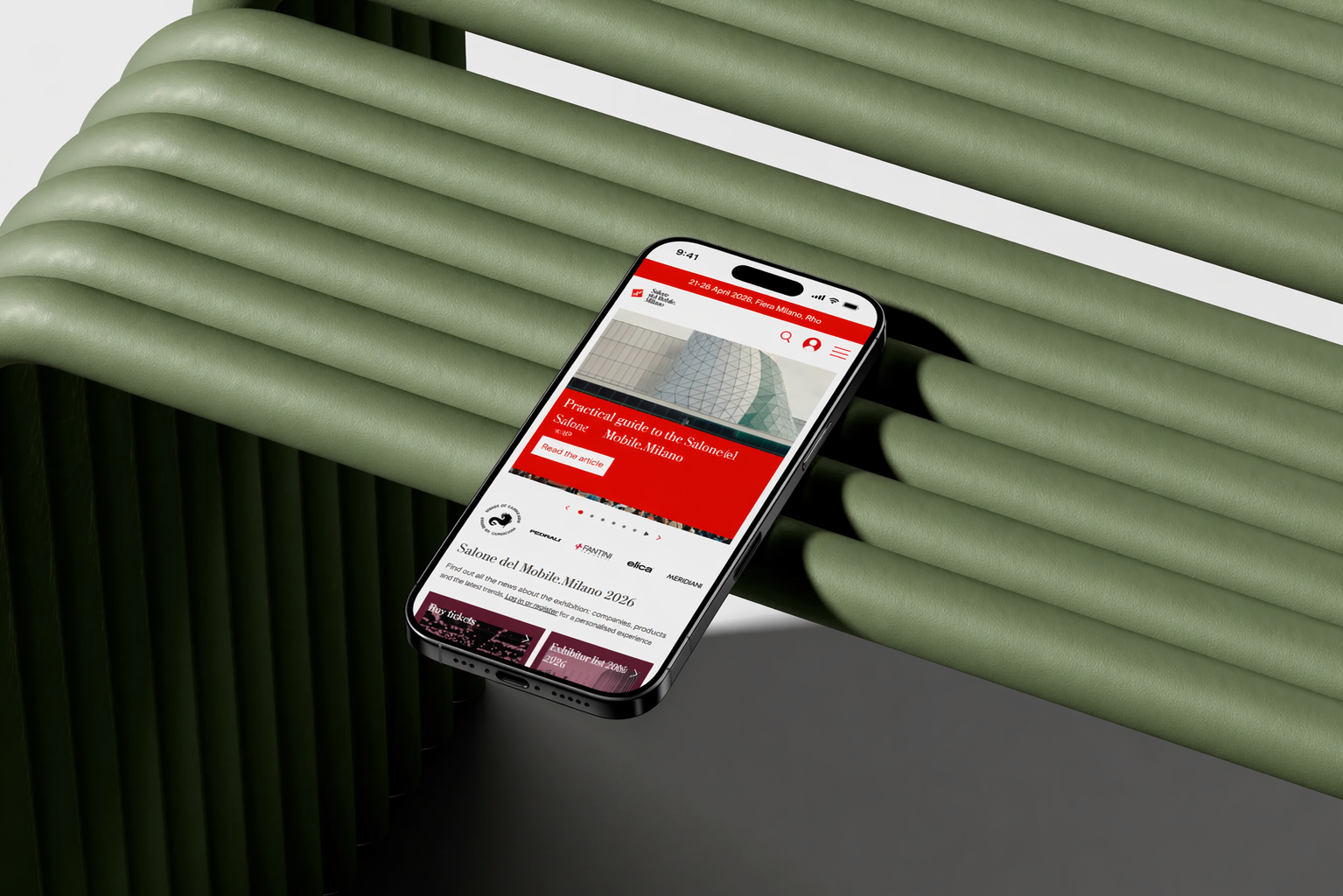
Each year, global events such as Milan Design Week present a curated snapshot of where design culture is heading. New materials, colours, forms, and technologies are introduced, often shaping the visual language of interiors and architecture in the months that follow.
For those investing in their property, this inevitably raises a question that is both practical and strategic: should these trends inform design decisions, or should they be approached with a degree of caution?
Inspiration and Reality
There is no question that design weeks play an important role within the discipline. They challenge conventions, introduce new ways of thinking, and expand the palette available to architects and designers. However, what is presented within these settings is often conceptual, experimental, and, at times, detached from the realities of everyday use.
A built project operates under a different set of conditions. It must respond to its context, accommodate patterns of living or working, and maintain its integrity over time. Decisions are not momentary; they are lived with daily and tested through use.
The distinction between inspiration and application is therefore critical.
Beyond Trend Adoption
At Keiro, engagement with the evolving design landscape is considered essential. Awareness of emerging directions allows for a broader and more informed design process. However, trends are not treated as solutions in themselves.
Each idea is examined in relation to the specific conditions of the project. Consideration is given to how it aligns with the architectural language of the space, how it contributes to spatial clarity and functionality, and whether it is capable of ageing in a manner that remains relevant rather than transient. Through this lens, many trends are filtered out, while others are adapted and integrated in a way that supports the overall coherence of the design.
Where Value Is Established
It is often assumed that a property derives value from how current it appears at a given moment. In practice, long-term value is shaped by decisions that extend beyond surface expression.
Proportion, light, and spatial continuity tend to have a far greater impact than any particular material or finish. The way spaces connect, the clarity of circulation, and the integration between architecture and interiors define how a project performs over time. Projects defined primarily by trends tend to date quickly, while those grounded in spatial clarity and context retain their value over time. In practice, this distinction often determines whether a space remains relevant for years or requires premature revision.
A Measured Approach
This is not to suggest that trends should be dismissed entirely. Certain elements can introduce character, reflect contemporary ways of living, or enrich the material language of a project. The distinction lies in how they are used.
When incorporated with restraint and purpose, they can contribute to a layered and considered outcome. When relied upon as a primary driver, they risk undermining the longevity of the design and may lead to premature obsolescence.
Conclusion
Design, at its core, is a process of making informed decisions. While global platforms highlight what is new, the role of the architect is to interpret these signals with care, translating only what is appropriate into a coherent and enduring solution.
At Keiro, each project is approached individually, ensuring that every decision contributes to a unified whole, rather than responding to a moment in time. This is where a structured design approach becomes essential, allowing each project to be resolved with clarity, purpose, and long-term value in mind.
Trends may inform the conversation, but they do not define the outcome.